
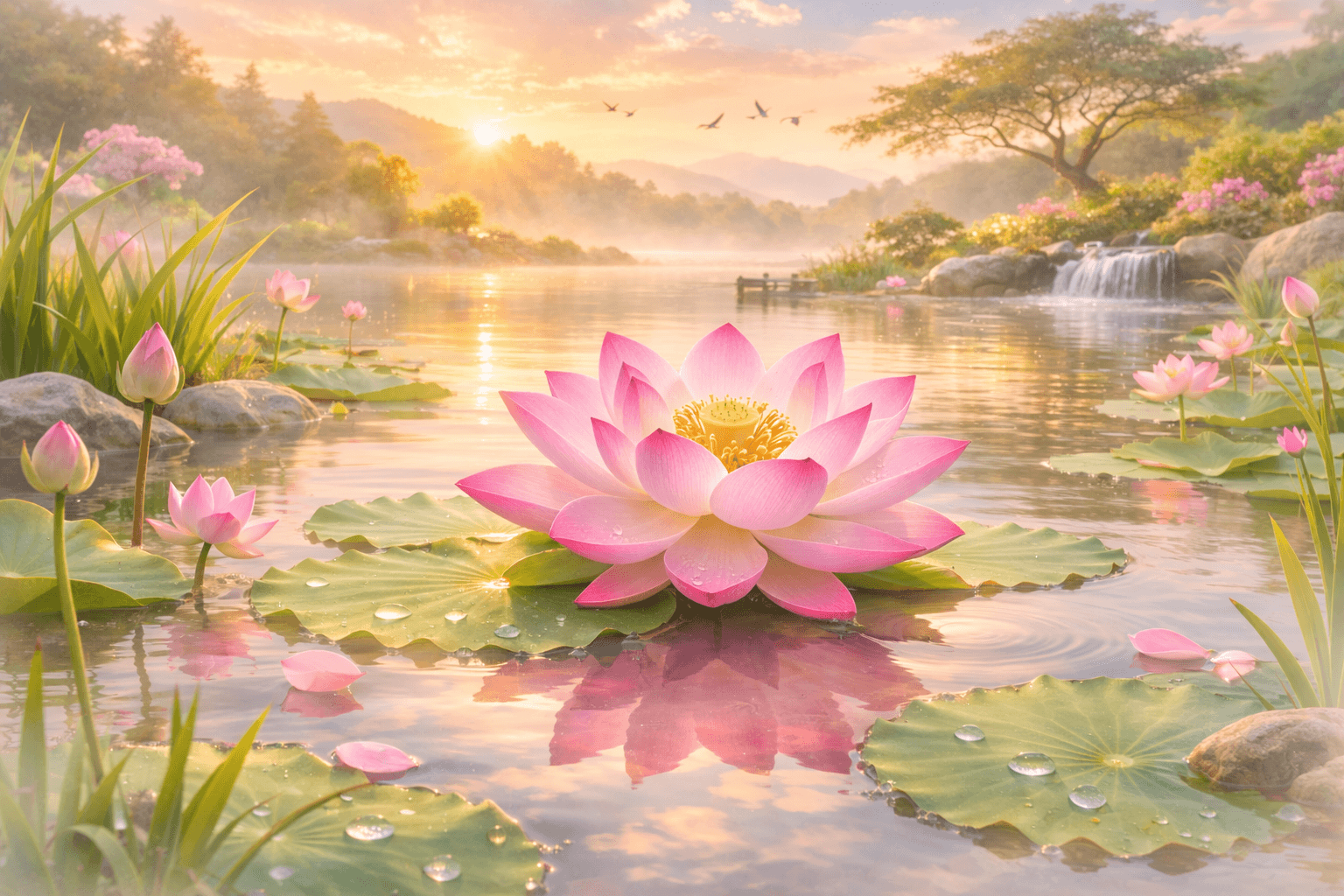
My Satguru, Swami Mohandas Ji Maharaj, says, “Be like the lotus.”
A lotus grows in mud. Not in clean, filtered, peaceful water. In mud. And yet when it blooms, the petals are untouched. Water rolls right off. The mud doesn’t stain it.
In Hinduism, many Gods and Goddesses are shown sitting or standing on a lotus. That image isn’t random. It’s symbolic. It’s showing us something — you can live in the world without being weighed down by it.
And interestingly, Jesus said something very similar: be in the world, but not of it.
That doesn’t mean detach from your family. It doesn’t mean stop caring. It doesn’t mean withdraw from life.
It means don’t let the mud become your identity.
It often feels like everyone is chasing something—more success, more money, more recognition, more stuff. But what if true peace and happiness don’t actually come from getting more? What if the secret to living a fulfilling life is letting go instead?
So, What Is Detachment?
Detachment doesn’t mean giving up on everything or becoming cold and indifferent. It doesn’t mean rejecting the world or withdrawing from life. Instead, it’s about engaging fully in life but without tying your happiness to anything outside of you.
Detachment is about recognizing that while life is full of experiences—good and bad—they don’t define you. You can live, love, and pursue things, but without getting attached to the outcomes. It’s about enjoying life without letting it control you.
Detachment Doesn’t Mean Avoiding the World
Many people think detachment means you have to renounce the world, like living in a cave or withdrawing from everything. But that’s not the case at all. You can live a rich, successful life and still be detached.
The trick is how you engage with life. You can go after your goals, have relationships, enjoy experiences—but you don’t need to cling to them. You enjoy them for what they are, but you don’t let them be the source of your identity or happiness.
Life as a Play
One way to think about detachment is to view life as a play, a drama. You’re a participant, but you’re also the observer. You don’t get attached to any of the scenes or characters, because you know they’re all temporary.
When you see life as this unfolding story, you realize that success and failure, joy and pain, come and go. Instead of stressing over every little thing, you start to embrace it all as part of the bigger picture. You stop controlling everything and start flowing with it.
Detachment is About Mastering Your Mind, Not Avoiding Life
Mastering detachment is really about mastering your own mind. We often get attached to things because our mind links our identity to them. For example, we identify with our job, our relationships, or our achievements. When something threatens those things, we feel like we’re at risk.
Detachment teaches you to step back and realize: you are not your job, your achievements, or even your relationships. These are external, fleeting things. True happiness comes from understanding your deeper self, the part of you that’s beyond all the changing circumstances.
When you start mastering your thoughts and emotions, you’re no longer controlled by them. You’re free to enjoy life, pursue your goals, and engage with others without being bound by attachment. You create the life you want, but you also realize that nothing external can take away your inner peace.
Detachment in Relationships
Relationships are a big one when it comes to detachment. When you stop expecting others to be the source of your happiness, you free them—and yourself—from that pressure. Detachment in relationships doesn’t mean cutting people off or being cold. It means loving freely without needing the other person to meet all of your needs.
When you’re attached to how someone loves you or the way they act, it can lead to disappointment. But when you approach relationships with detachment, you allow them to evolve naturally. You enjoy the connection for what it is, without trying to control it or make it something it’s not.
Living Fully, Letting Go of Attachment
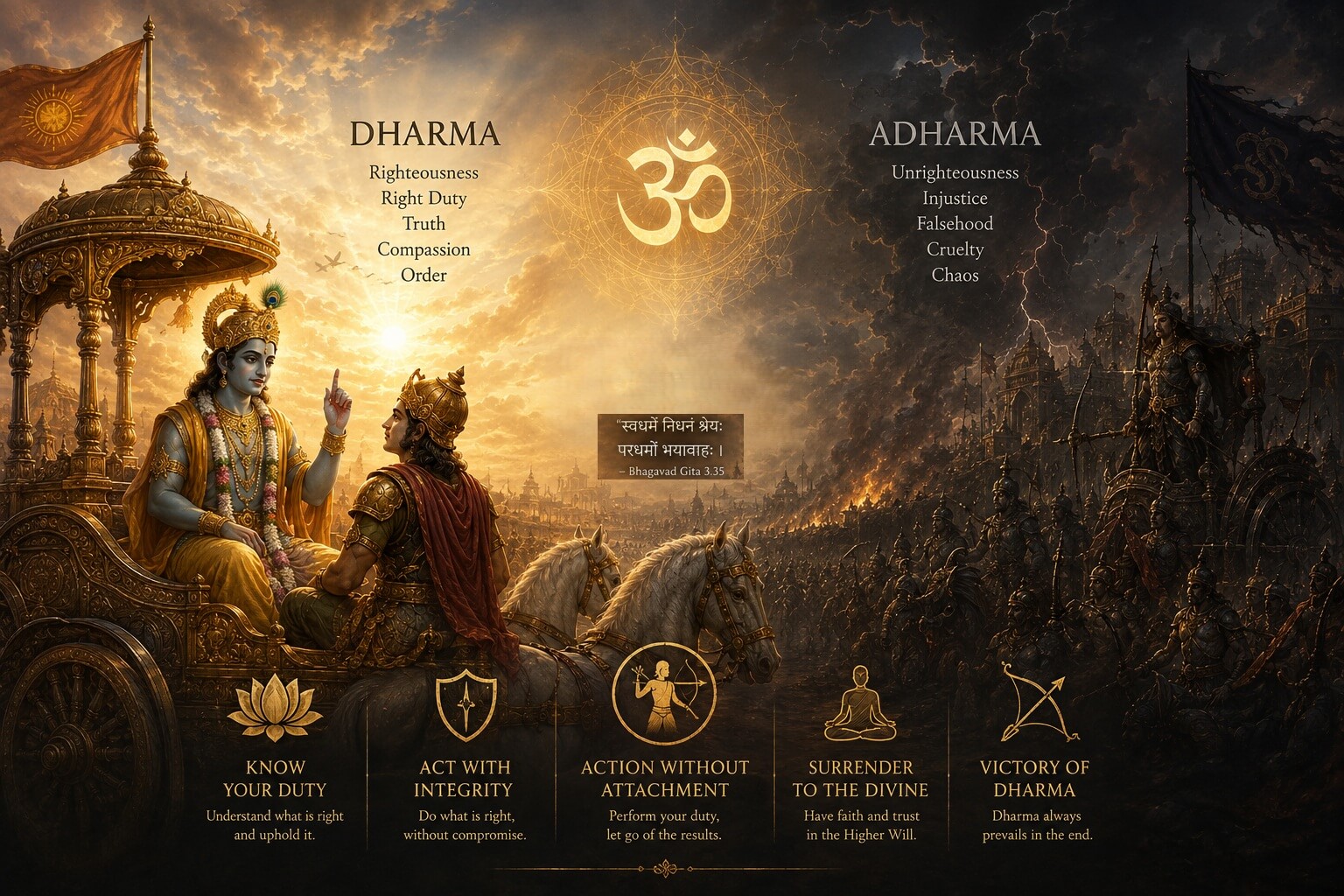
The point of detachment is not to retreat from the world or stop enjoying life. It’s actually the opposite. It’s about fully participating in life, but not getting emotionally tied to the outcomes.
You can pursue your career, build meaningful relationships, and enjoy the pleasures of life—but you don’t need to attach your sense of self-worth to any of them. You can experience success, but not fear failure. You can love, but not cling. You can live fully, but with a sense of freedom from the need to control everything.
Why Detachment Brings Peace
The beauty of detachment is that it brings you peace. When you stop clinging to outcomes, you free yourself from the emotional rollercoaster of life. You can still experience all the highs and lows, but your inner peace remains unshaken because you’re not emotionally attached to any of it.
Living this way means you can have a successful, meaningful life without it controlling you. You’ll still enjoy everything that comes your way, but you’ll do it with the understanding that everything is temporary. And that’s where true peace comes from.
The Bottom Line
In a world that constantly tells us to chase more, detachment offers a different path. It’s not about giving up on life—it’s about living it fully, without being attached to the outcomes. It’s about seeing life as a beautiful play, and recognizing that, while you’re a participant, you’re also an observer.
When you practice detachment, you can enjoy every part of life while staying rooted in a deeper sense of peace. You don’t need to cling to anything, because you already know—you are enough just as you are, and nothing external can take that away.
Just like the lotus doesn’t fight the mud. It simply grows beyond it.
Detachment isn’t about escaping life.
It’s about blooming anyway.

3 Responses
Long live Sadguru Mohandas ji
Meditation is a bliss available to humans only
wish you all the best